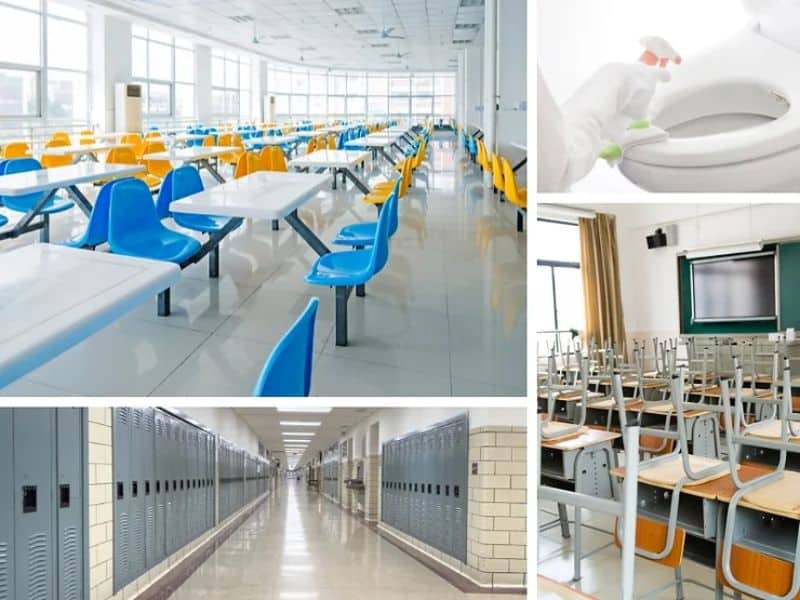
Different areas of a school require various levels of attention. Here are some crucial areas:
- High-traffic zones: Hallways and entrances receive heavy foot traffic and should be cleaned frequently.
- Restrooms: These areas need regular disinfection to prevent the spread of germs.
- Classrooms: Regular cleaning helps create a conducive learning environment.
- Cafeterias: Food preparation and eating areas require meticulous cleaning to ensure food safety.
- Offices: Administrative areas should remain clean to provide a professional atmosphere.
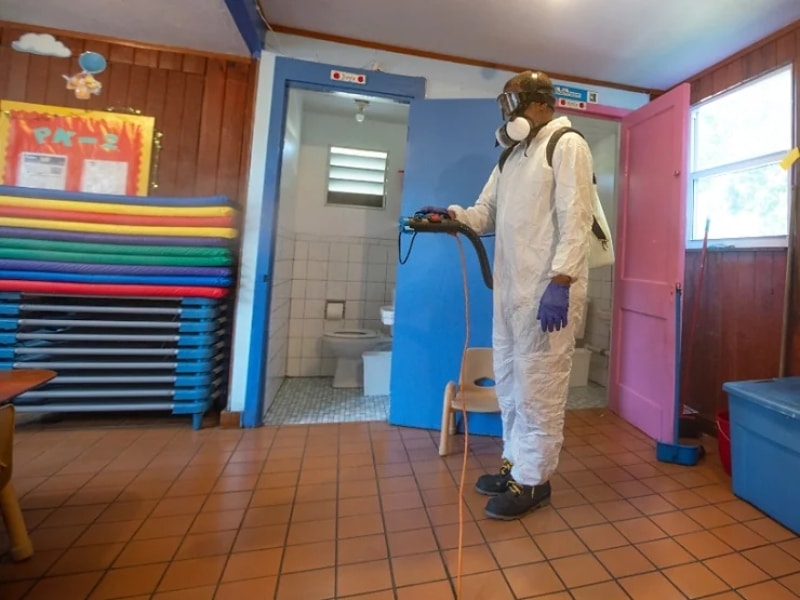
Disinfection is vital in schools to combat illness and maintain a healthy environment. Here’s why:
- Germ reduction: Regular disinfection kills harmful bacteria and viruses, reducing illness spread.
- Safety for vulnerable populations: A disinfected environment benefits students with allergies or weakened immune systems.
- Compliance with health standards: Many schools must adhere to health regulations that require regular disinfection.
- Parent and community confidence: A visible commitment to cleanliness boosts trust among parents and the community.
- Improved attendance: Fewer illnesses lead to better student attendance and academic performance.
Implementing green cleaning practices can enhance the school environment. Here’s how:
- Use eco-friendly products: Opt for non-toxic, safe cleaning supplies for students and staff.
- Train staff on green practices: Educate custodial staff about sustainable cleaning methods and products.
- Promote recycling: Encourage recycling programs throughout the school to reduce waste.
- Minimise water use: Use water-efficient cleaning methods and tools to conserve resources.
- Air quality management: Ensure proper ventilation to maintain indoor air quality and reduce the presence of harmful chemicals.
Schools must maintain rigorous cleaning standards to ensure a safe environment. Here are steps to ensure compliance:
- Develop a cleaning policy: Create a clear policy outlining responsibilities and expectations.
- Regular training: Provide ongoing training for custodial staff on cleaning standards and best practices.
- Conduct inspections: Schedule regular inspections to assess compliance with cleaning protocols.
- Document cleaning procedures: Maintain records of cleaning schedules and methods for accountability.
- Solicit feedback: Encourage input from staff and students about cleanliness to identify areas for improvement.
Hiring professional school cleaning services offers numerous advantages:
- Expertise: Trained professionals bring experience and knowledge about effective cleaning methods.
- Consistency: Regular professional cleaning ensures that standards are consistently met.
- Time savings: Outsourcing cleaning allows school staff to focus on their primary responsibilities.
- High-quality results: Professional services utilise advanced equipment and techniques for thorough cleaning.
- Customised solutions: Cleaning companies can tailor their services to meet the specific needs of each school.
Implementing effective preventive maintenance strategies for school facilities is crucial for ensuring a safe, comfortable, and efficient learning environment. Here’s how:
- Establish daily routines: Encourage staff and students to tidy their spaces regularly.
- Implement a “Clean as You Go” policy: Promote a culture of cleanliness where everyone is responsible for keeping areas tidy.
- Provide cleaning supplies: Make cleaning materials accessible for quick clean-ups.
- Schedule regular maintenance: Plan regular maintenance tasks, such as carpet cleaning and floor care, to uphold cleanliness.
- Involve students: Engage students in cleanliness initiatives, fostering a sense of responsibility for their environment.